Snorkeling the Shipwrecks: A Guide to Marine Life
The Underwater World of Barbados
The transition from the sun-warmed deck of a luxury catamaran to the twenty-seven-degree Celsius waters of the Caribbean Sea reveals an ecosystem of immense historical and biological complexity. While the surface experience is defined by coastal breezes and the hospitality detailed in our overview of the Best Catamaran Cruises in Barbados, the benthic environment below offers an entirely different landscape. Just outside the capital city of Bridgetown lies the Carlisle Bay Marine Park, a crescent-shaped harbour that serves as the undisputed shipwreck capital of the island. For maritime history enthusiasts and marine biologists alike, this protected zone provides one of the most densely populated underwater habitats in the Lesser Antilles.
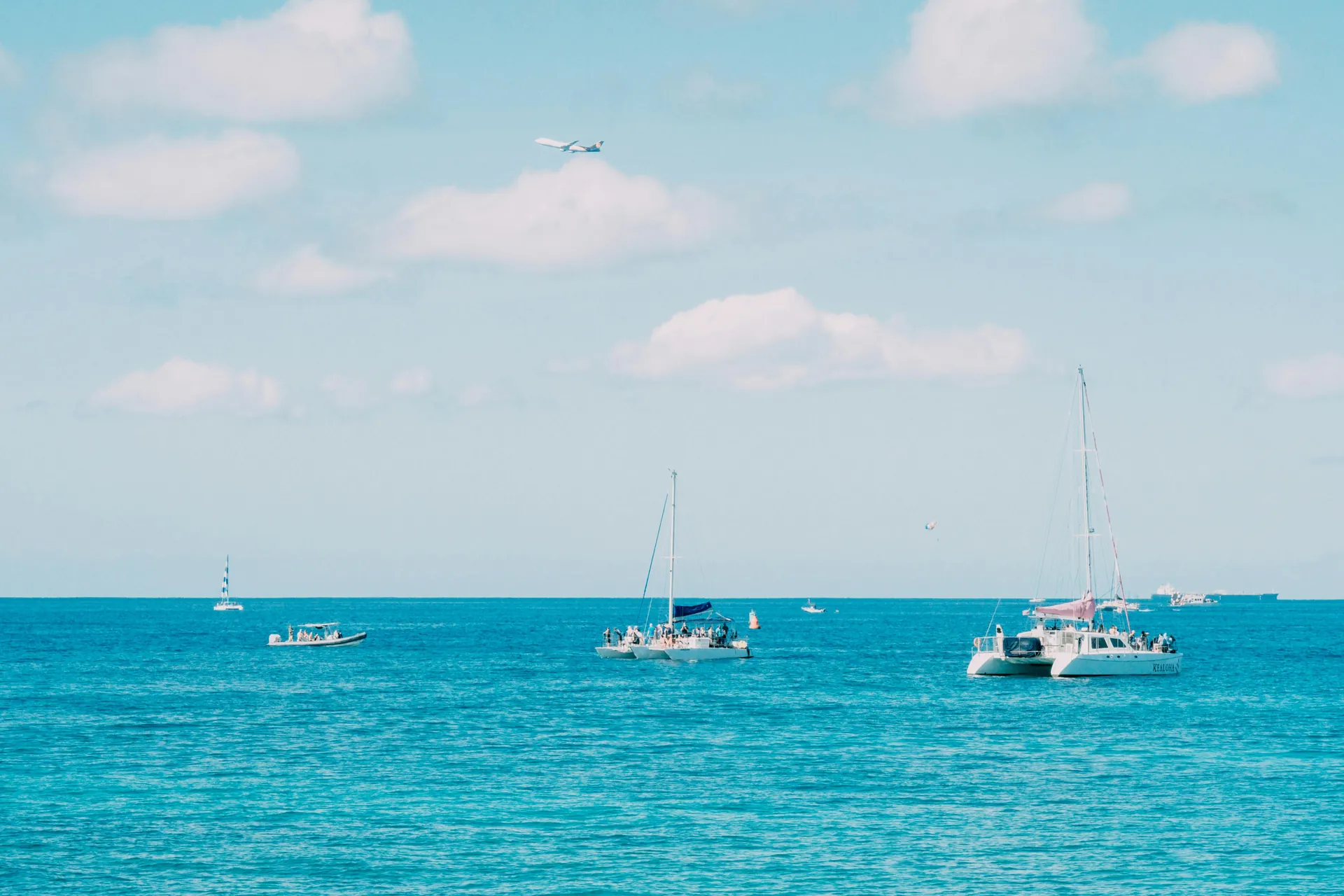
Most marine excursions depart from The Shallow Draught, a bustling maritime hub located a short ten-minute transit from central Bridgetown, while select operators like El Tigre launch directly from the Cavans Lane Dock. The logistical efficiency of these departure points means that within twenty minutes of leaving the mooring, passengers are positioned directly over a network of sunken vessels. The official Barbados tourism board closely monitors Carlisle Bay to ensure that the heavy volume of daily catamaran traffic does not degrade the marine infrastructure. This careful management has allowed the bay to flourish into a highly active artificial reef system.
Visibility is a critical factor for any marine excursion. Morning itineraries, such as the Barbados Catamaran Turtle Snorkel with Lunch and Open Bar, generally offer the clearest water conditions. Departing around 9:00 AM allows snorkellers to explore the wrecks before the afternoon trade winds and shifting tidal swells disturb the sandy ocean floor. The angle of the morning sun penetrates the water column directly, illuminating the rusted hulls and the schooling fish that inhabit them with remarkable clarity. You can learn more about optimal sailing conditions in our comprehensive Best Time & Weather guide.
Exploring the Shipwrecks: The Berwyn and Beyond
Carlisle Bay features six distinct shallow shipwrecks, resting at depths ranging from three to seventeen metres. Because the bay is naturally sheltered from the heavy Atlantic currents that batter the eastern coast, it provides an unusually calm environment for exploration. The most renowned and accessible of these sites is the Berwyn. Measuring sixty feet in length, this World War I French tugboat possesses a peculiar history. It did not sink due to enemy fire or severe weather. Instead, in 1919, her own crew deliberately scuttled the vessel in the harbour. Historical records indicate the sailors had become so enamoured with the island that they sabotaged their own transport to avoid returning to a war-torn Europe.
Today, the Berwyn rests mere metres below the surface, making it an ideal site for novice swimmers. It is heavily encrusted with stony corals, tube sponges, and macroalgae. Nearby lies the Cornwallis, a Canadian freighter with a much darker past. Originally torpedoed by a German U-boat during World War II, the vessel was later relocated to the marine park to serve as an artificial reef. The structural degradation of the Cornwallis has created cavernous swim-throughs, though these are strictly reserved for certified scuba divers.
For those with advanced snorkelling capabilities and greater lung capacity, the deeper wrecks offer a highly rewarding challenge. These include:
- The Bajan Queen: Originally the island’s first dedicated party boat, intentionally sunk in 2002. It sits upright and intact, providing an expansive deck area that attracts massive schools of silversides.
- The C-Trek: A derelict cement boat that rests at a depth of roughly fourteen metres, often surrounded by predatory barracuda.
- The Eilon: A former drug-smuggling freighter that was confiscated by local authorities and sunk in 1996.
These sites are officially mapped and categorised by the Professional Association of Diving Instructors (PADI), ensuring that coordinates are exact and the structures are regularly inspected for stability. Depending on the itinerary chosen from our Guided Tours & Lessons directory, your catamaran crew will provide specific briefings on which wrecks align best with the day’s current and visibility.
The Sea Turtles of Barbados: Hawksbill and Green
The western coastline of Barbados supports a robust, year-round population of sea turtles, making it a premier destination for marine encounters. The two primary species observed during coastal excursions are the Hawksbill (Eretmochelys imbricata) and the Green sea turtle (Chelonia mydas). The Hawksbill is critically endangered globally, yet thrives in Bajan waters due to strict local conservation efforts. It is easily identifiable by its sharp, curving beak and the overlapping scutes on its carapace. These anatomical adaptations allow the Hawksbill to extract sea sponges from tight crevices within the coral reefs.
Conversely, the Green sea turtle is significantly larger and features a smoother, teardrop-shaped shell. While juvenile Green turtles are omnivorous, the adults transition to a strictly herbivorous diet. This dietary shift dictates their behaviour; they are most frequently spotted gliding gracefully over the sandy seagrass beds that connect the shipwrecks in Carlisle Bay. To observe both species in their natural foraging patterns, many visitors opt for a dedicated Catamaran Snorkeling Turtle and Shipwrecks tour.
“The predictability of turtle sightings in Carlisle Bay is not accidental. It is the direct result of decades of rigorous habitat protection and the ban on commercial harvesting.”
The health and nesting habits of these creatures are monitored extensively by the Barbados Sea Turtle Project, an initiative based at the University of the West Indies. Their research confirms that the calm, sheltered nature of the west coast provides the ideal thermal conditions necessary for successful turtle breeding and foraging.
A Kaleidoscope of Tropical Fish & Rays
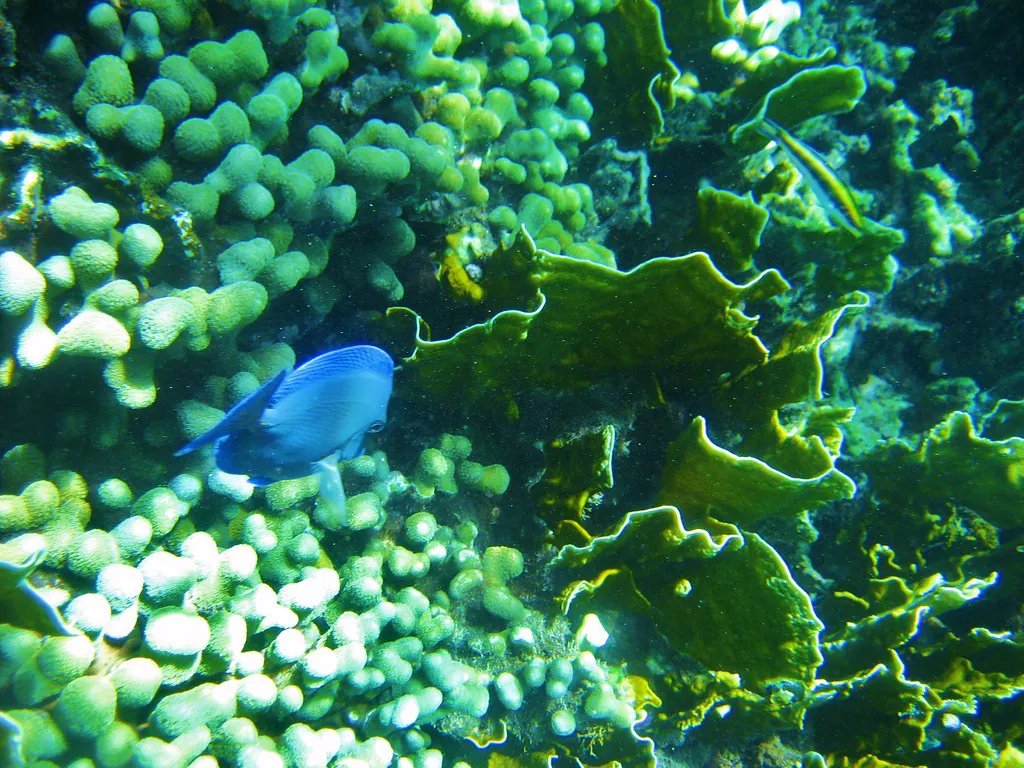
Beyond the architectural intrigue of the wrecks and the grace of the sea turtles, the water column itself is saturated with kinetic energy. The iron hulls of the sunken ships act as an iron-rich substrate, promoting the rapid growth of primary producers. This base level of the food web supports a massive diversity of tropical fish. Snorkellers equipped with standard masks and fins will immediately notice the territorial but harmless Sergeant Majors, identifiable by their vertical black and yellow stripes. They often swarm near the surface, highly curious about arriving catamarans.
Deeper down the hull lines, other species dictate the rhythm of the reef:
- Parrotfish: Essential to the health of the ecosystem, these fish use their beak-like teeth to scrape algae off the coral. They excrete fine white sand, which actively replenishes the beaches of the island.
- Trumpetfish: Long, slender, and highly camouflaged, they align themselves vertically alongside sea fans or structural pipes to ambush smaller prey.
- French Angelfish: Often found travelling in mated pairs, their dark scales are accented by bright yellow edges, making them highly visible against the rusted metal of the Berwyn.
If you divert your gaze from the wrecks and scan the sandy ocean floor, you will likely spot Southern Stingrays. These flat, diamond-shaped elasmobranchs spend much of their time half-buried in the sand, sifting for crustaceans. Far less common, but spectacular to witness, are Spotted Eagle Rays. Characterised by their distinct white dorsal spots and pronounced heads, they do not rest on the bottom; instead, they ‘fly’ through the mid-water column with powerful strokes of their pectoral fins. For those interested in terrestrial counterparts to this ecological diversity, our guide to Other Things to Do in Barbados details the island’s inland wildlife reserves and botanical gardens.
The 3-Foot Rule: Etiquette and Responsible Wildlife Interaction
Accessing these delicate ecosystems requires a strict adherence to marine etiquette. While the crews on operators like Silver Moon and Tiami provide comprehensive safety briefings, the fundamental principle for all water entry is the ‘3-Foot Rule’. Snorkellers must maintain a minimum distance of three feet (approximately one metre) from all sea turtles and coral formations. You must always approach a turtle from the side, remaining in its line of sight. Never swim directly above a turtle, as this blocks its necessary path to the surface to breathe. Obstructing a turtle’s access to oxygen induces severe stress and alters their natural feeding patterns.
Touching a sea turtle is not just unethical; it is illegal. Human hands strip away the protective mucus layer on their skin and shell, exposing the animal to deadly bacterial infections.
The preservation of the reefs is equally dependent on the chemical choices made by visitors. The National Oceanic and Atmospheric Administration (NOAA) has definitively linked the chemicals oxybenzone, octinoxate, and octocrylene—collectively known as the ‘Toxic 3’—to catastrophic coral bleaching and DNA damage in marine life. All major catamaran operators in Barbados now mandate the use of mineral-based, reef-safe sunscreens. Zinc oxide and titanium dioxide are the only acceptable active ingredients. For a complete breakdown of what to pack, including recommendations on rash guards and polarised sunglasses, consult our Equipment & Safety Guide.

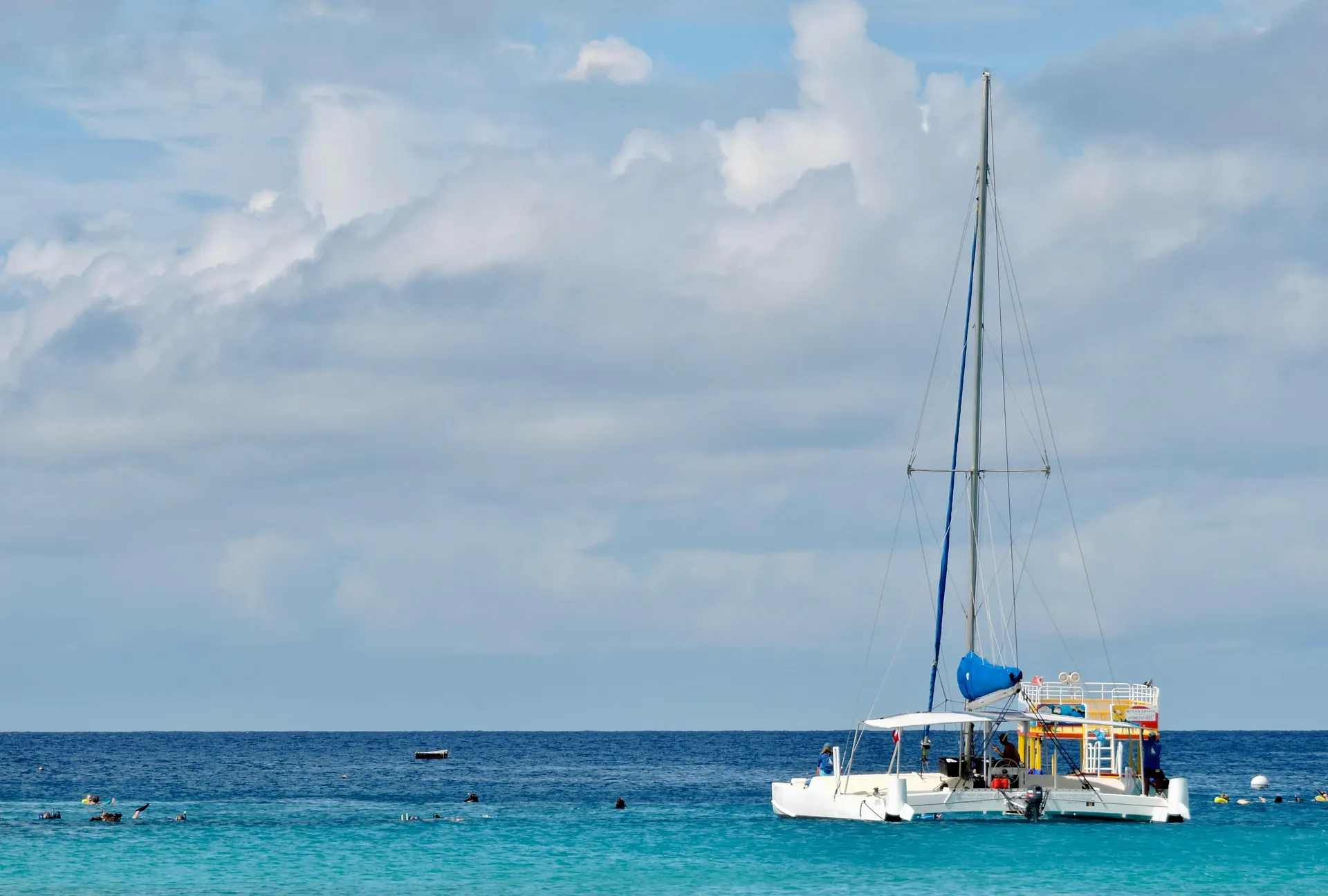
Logistically, participating in a shipwreck tour requires minimal prior experience, provided you adhere to the operator’s guidelines. Upon boarding at The Shallow Draught, guests are required to remove their footwear to protect the catamaran’s fibreglass decking. Standard snorkelling equipment—including masks, snorkels, fins, and mandatory inflatable snorkel vests—is provided complimentarily by all premium charters. For those seeking an uncrowded, highly supervised experience in the water, a 5-Hour Small-Group Catamaran Cruise from Bridgetown with Lunch ensures that marine biologists or experienced deckhands are always within arm’s reach to point out camouflaged species. By prioritising spatial awareness and chemical responsibility, visitors ensure that the marine life of Carlisle Bay remains robust for future generations of explorers.