A Foodie’s Guide to the Bajan Lunch Buffet
Sailing the Culinary Capital of the Caribbean
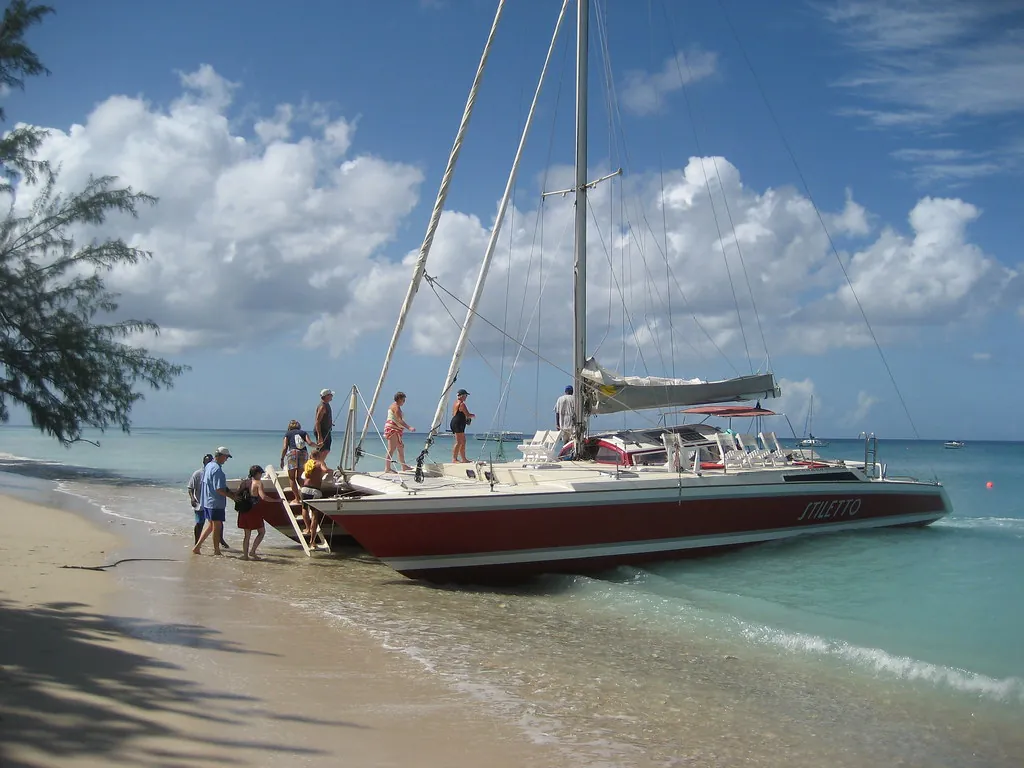
Barbados stands unequivocally as the culinary capital of the Caribbean, a designation earned through centuries of refining African, Indigenous, and British influences into a highly distinct national cuisine. While terrestrial restaurants across the island command international acclaim, the food served aboard the local fleet of charter vessels provides a uniquely compelling gastronomic experience. Operators have systematically elevated the standard boat trip into a floating dining room, ensuring that the meals match the calibre of the maritime environment. You will not find mediocre sandwiches or uninspired buffets on these decks. Instead, the galleys produce complex, authentic dishes that showcase the island’s agricultural and maritime heritage.
The transformation of a simple sailing excursion into a comprehensive cultural event relies heavily on the integration of traditional Bajan flavours. When you board a Barbados Catamaran Turtle Snorkel with Lunch, you are participating in a mobile feast. The synergy of saltwater, fresh air, and expertly spiced local provisions creates an unmatched sensory environment. This focus on high-quality provisioning is actively supported by the official Barbados tourism board, which continuously promotes the island’s indigenous culinary arts to international visitors.
Catamaran operators operating from Bridgetown understand that their clientele expects excellence. The culinary journey begins the moment passengers step barefoot onto the teak decks. It continues through a carefully orchestrated sequence of snacks, hearty main courses, and traditional sweets, perfectly timed to align with the physical demands of swimming and exploring the west coast mooring locations. Food is never an afterthought; it is a primary pillar of the itinerary.
“The true measure of a Barbadian catamaran cruise is found not just in the clarity of the water, but in the heat of the scotch bonnet pepper and the golden crust of the flying fish served on its deck.”
Morning Bites & The Iconic Bajan Fish Cake
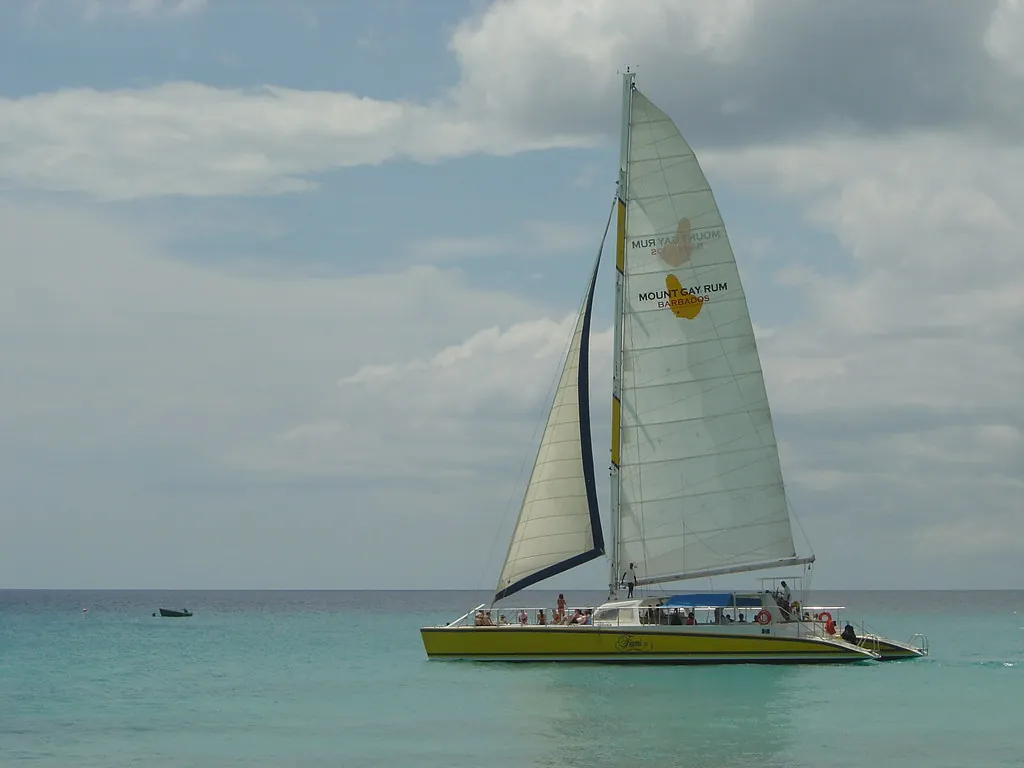
The morning welcome sets the logistical and culinary tone for the entire day. Most premier catamaran cruises set sail between 9:00 AM and 9:30 AM, typically departing from the Shallow Draught facility or Cavans Lane in Bridgetown. As the crew handles the mooring lines and the sails are hoisted, passengers are immediately directed toward the shaded cockpit for the first service. This initial offering is deliberately light, designed to settle the stomach and provide a carbohydrate boost before the physical exertion of swimming begins.
Standard morning fare includes freshly baked coconut bread, a dense and sweet local loaf studded with grated coconut and raisins. Alongside the bread, operators frequently serve a selection of savoury pastries, hot coffee, and chilled tropical juices. This immediate hospitality establishes a welcoming atmosphere, allowing guests to relax as the vessel navigates out of Carlisle Bay and heads north toward the Platinum Coast.
The undisputed highlight of the pre-lunch service is the traditional Bajan fish cake. Unlike the large, potato-heavy patties found in British or North American cuisine, the Barbadian iteration is a small, deep-fried sphere of highly spiced batter. The core ingredient is salted cod, which is meticulously soaked, boiled, and flaked to remove excess brine while retaining its robust oceanic flavour. The fish is then folded into a flour-based batter heavily fortified with local herbs and spices.
A proper Bajan fish cake requires a precise ratio of ingredients, incorporating a dense matrix of finely chopped scotch bonnet peppers, thyme, marjoram, and green onions. The batter is dropped by the spoonful into hot oil, resulting in a golden, crispy exterior that yields to a soft, steaming centre. The heat level is distinct. Operators typically serve these snacks mid-morning, immediately after guests return from their first shipwreck snorkeling guide excursion, providing instant caloric replenishment.
The National Dish: Flying Fish & Cou-Cou
No exploration of Barbadian maritime food is complete without examining the national dish. Flying fish (Hirundichthys affinis) represents the island’s most famous culinary export, historically abundant in the warm waters surrounding the Lesser Antilles. The preparation of flying fish is a highly specialized skill. The fish is small and notoriously bony, requiring a specific filleting technique to render it suitable for the plate. Once cleaned, the fillets are remarkably tender, boasting a mild, slightly sweet flavour profile that readily absorbs marinades.
Aboard a 5-Hour Small-Group Catamaran Cruise, flying fish is typically served in one of two ways: lightly breaded and shallow-fried to a crisp finish, or gently steamed in a rich, complex Creole sauce. This sauce is a fundamental component of Bajan cooking, built upon a foundation of tomatoes, onions, garlic, sweet peppers, and a measured dose of scotch bonnet pepper. The steaming method ensures the delicate fish remains moist, while the acidic tomato base cuts through the richness of the accompanying sides.
The traditional pairing for flying fish is cou-cou, a savoury, dense porridge that shares textural similarities with Italian polenta or African fufu. The dish is constructed from finely ground yellow cornmeal and fresh okra. The preparation of cou-cou is labour-intensive, demanding constant, rhythmic stirring to prevent lumps and achieve a perfectly smooth consistency. Cooks utilize a specialized flat wooden implement, known simply as a cou-cou stick, to agitate the mixture as hot water and sliced okra are gradually incorporated.
The okra serves a dual purpose: it imparts a subtle, earthy flavour and provides a specific viscosity that binds the cornmeal together. When served on the buffet line of a luxury catamaran, a portion of cou-cou is typically plated first, creating a warm, receptive bed for the steamed flying fish. The rich Creole sauce is then ladled over the top, allowing the savory liquid to permeate the dense cornmeal. This combination is historically significant, catalogued extensively by the Barbados Government Information Service as a vital piece of the nation’s cultural heritage.
Buffet Comforts: Macaroni Pie & Fresh Grills
While flying fish claims the title of the national dish, Bajan macaroni pie is the undisputed champion of local comfort food. It is entirely inaccurate to equate this dish with standard North American macaroni and cheese. The Barbadian iteration is structurally robust, baked in deep pans until it achieves a firm, sliceable consistency. The recipe relies on long, tubular macaroni rather than small shells or elbows, providing a substantial framework for the heavy dairy components.
The structural integrity of the pie comes from the specific binding agents used. Local chefs utilize evaporated milk rather than standard cream, mixed heavily with sharp cheddar cheese, butter, and eggs. Crucially, the flavour profile is elevated by the addition of yellow mustard, tomato ketchup, and a dash of fiery local hot sauce, which together give the pie its signature sunset-orange hue and tangy finish. Aboard a rolling catamaran, macaroni pie is the perfect buffet item; it holds its shape on the plate and provides dense, satisfying calories after a long swim.
Complementing the rich carbohydrates are the fresh Caribbean grills. Depending on the morning’s market availability, operators typically serve thick cuts of Mahi-Mahi (locally known as Dolphin fish, entirely unrelated to the marine mammal), Marlin, or Yellowfin Tuna. The success of these grilled meats relies entirely on ‘Bajan Seasoning’, a ubiquitous green marinade utilized across the island. This thick paste is a highly concentrated blend of thyme, marjoram, scallions, garlic, parsley, scotch bonnet peppers, and vinegar.
The fish is scored and heavily rubbed with this seasoning hours before departure, allowing the acidic vinegar and pungent herbs to penetrate the flesh. The result is a profoundly flavourful fillet that requires no additional sauces. To round out the plate, crews serve a rotating selection of staple sides. Diners can expect large bowls of rice and pigeon peas, sweet fried plantains, roasted local sweet potatoes, and sharply dressed coleslaw. Understanding these menus is a crucial factor when choosing between private charters versus group excursions, as private bookings often allow for total customization of these grilled selections.
Pro Tips for the Bajan Buffet Experience
The execution of a full buffet on a moving vessel requires immense logistical precision. Operators must balance the presentation of hot food with the physical realities of navigating the Caribbean Sea. Understanding how these meals are structured will significantly improve your day on the water. Below is a breakdown of how different prominent operators handle their lunch service, providing clear expectations for prospective passengers.
| Operator | Passenger Limit | Dining Atmosphere | Food Inclusions |
|---|---|---|---|
| Cool Runnings | Large Capacity (30+) | High-energy, festive, communal buffet lines. | Full traditional Bajan buffet, heavy on macaroni pie and grilled fish. |
| Silver Moon | Capped at 12-24 Guests | Ultra-luxury, intimate, spacious seating. | Family-style traditional Bajan buffet with grilled fish and chicken, extensive dietary accommodations. |
| Calabaza | Capped at 14 Guests | Bespoke, highly personalized service. | Gourmet Bajan fusion, freshly baked snacks, premium open bar. |
| El Tigre | Medium Capacity (up to 36) | Relaxed but social, efficient galley service. | Classic local dishes, excellent flying fish preparation. |
As the primary lunch service concludes and the captain turns the vessel southward for the return journey along the Platinum Coast, the crew transitions to sweet endings. Caribbean desserts are traditionally dense and deeply satisfying. You will frequently encounter heavy slices of rum cake, dark and saturated with local spirits, alongside platters of precisely sliced tropical fruit. This segment of the cruise is relaxed, aligning perfectly with the serene atmosphere detailed in our sunset sailing experience guide, even during daytime hours.
The Perfect Pairing: Signature Bajan Rum Punch
No culinary guide to Barbados is complete without addressing the national libation. Bajan Rum Punch is ubiquitous on catamaran cruises, served from the moment the anchor is lifted until the final disembarkation. The recipe is strictly governed by a traditional rhyme that dictates the exact ratios required to achieve balance.
“One of sour, two of sweet, three of strong, four of weak.”
This translates mathematically to one part freshly squeezed lime juice, two parts simple syrup, three parts local rum, and four parts water (or melted ice). The cocktail is invariably finished with a few dashes of Angostura bitters and a heavy dusting of freshly grated nutmeg. The rum utilized is almost exclusively sourced from the island’s historic distilleries. For those interested in the terrestrial origins of these spirits, exploring the Mount Gay Rum Distillery is highly recommended and covered extensively in our guide to other land-based activities.
Dietary Restrictions and Dining Logistics
Modern catamaran operators are highly adept at managing dietary restrictions, provided they are given adequate notice. The standard Bajan buffet is naturally accommodating to pescatarians, but vegans, vegetarians, and guests requiring gluten-free options must communicate their needs during the booking process. Crews will prepare separate, uncontaminated portions—often substituting the main protein with hearty grilled vegetables, robust salads, or specialized lentil dishes.
Eating aboard a catamaran requires a minor adjustment to standard dining etiquette. Vessels operate a strict barefoot policy to protect the teak and fibreglass decks; footwear is collected in large bins immediately upon boarding. When the buffet opens, guests are encouraged to find stable seating before loading their plates. While the forward trampoline nets offer spectacular views, balancing a plate of cou-cou and a glass of rum punch on a suspended net over the ocean requires exceptional coordination. Most seasoned travellers opt for the shaded, U-shaped seating in the aft cockpit for the duration of the meal. Ensure you review our equipment and safety guide for more tips on navigating the physical space of a luxury catamaran while underway.
Ultimately, a lunch cruise in Barbados is a masterclass in culinary logistics and cultural pride. The operators do not compromise on flavour simply because they are operating miles from shore. Instead, they utilize the ocean as a dynamic backdrop to showcase the very best of Bajan cuisine, ensuring that every passenger leaves with a profound understanding of why this island remains the undisputed gastronomic capital of the region.