When embarking on your Barbados catamaran cruise, your peace of mind is just as important as the breathtaking Caribbean views. Commercial operators on the island integrate luxury with intensive risk management, ensuring that marine safety protocols are among the most robust in the region. Whether you are snorkelling over historic shipwrecks or gliding along the calm waters of the Platinum Coast, rigorous standards govern every single voyage. Preparation is taken seriously so that once you leave the dock, your only focus is enjoying the sea.
All commercial catamarans in Barbados strictly adhere to local small commercial vessel safety requirements, which are continuously monitored and overseen by Barbados Port Inc. and local marine authorities. From advanced vessel engineering to strict ecological conservation laws, preparation and preventative maintenance form the backbone of the island’s maritime tourism industry. You can expect immaculate his-and-hers facilities, ample shaded cockpits, and crews highly trained in open-water rescue. To further eliminate logistical stress, the vast majority of tours include round-trip transfers from your hotel or villa, ensuring you arrive at the Bridgetown Shallow Draught or Cavans Lane Dock with plenty of time for your mandatory safety briefing.
Vessel Safety & Engineering
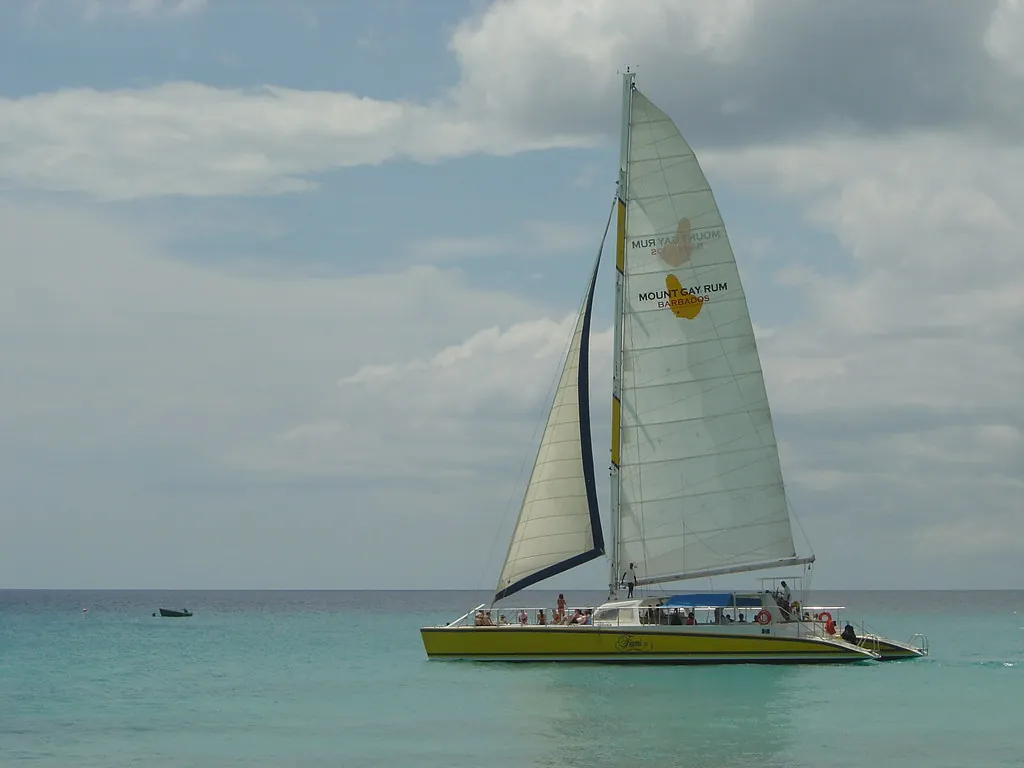
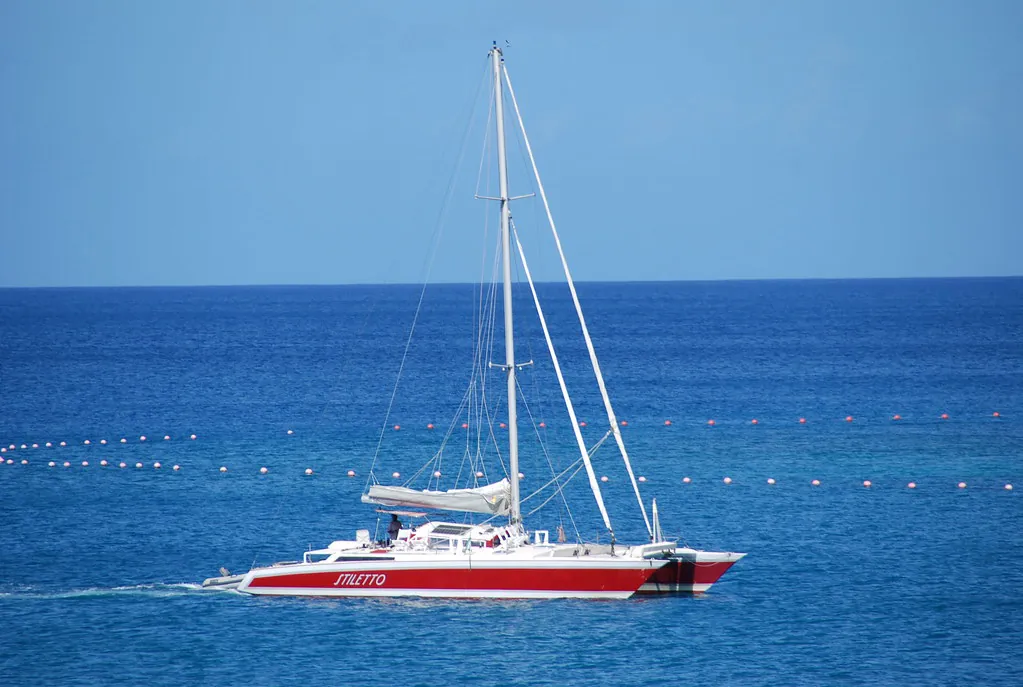
Modern commercial catamarans in Barbados are marvels of marine engineering designed to prioritise passenger security above all else. The vessels utilise multi-chambered, foam-filled dual hulls that provide crucial redundancy and stability. This distinct wide stance on the water keeps you comfortable and drastically reduces side-to-side rolling, no matter the sea conditions or weather.
Many operators voluntarily cap passenger numbers well below legal limits to prevent overcrowding and significantly increase the crew-to-guest ratio. Booking a 5-hour small-group catamaran cruise ensures highly personalised attention from the captain and deckhands, allowing for immediate assistance whether you are adjusting a snorkel mask or navigating the deck.
- VHF DSC Radios: Ensuring rapid emergency response and constant, clear communication with the local Coast Guard.
- Fire Suppression: Automatic systems equipped in engine rooms for immediate hazard mitigation.
- Preventative Maintenance: Daily rig checks and trampoline tension tests guarantee ongoing structural integrity.
Eco-Friendly Gear & Practices
Environmental protection is paramount when exploring the delicate marine ecosystems of Barbados. Fringing reefs and resident sea turtles are highly sensitive to human interaction and chemical runoff. The equipment provided by operators reflects a deep commitment to preserving the best coastal destinations for future generations.
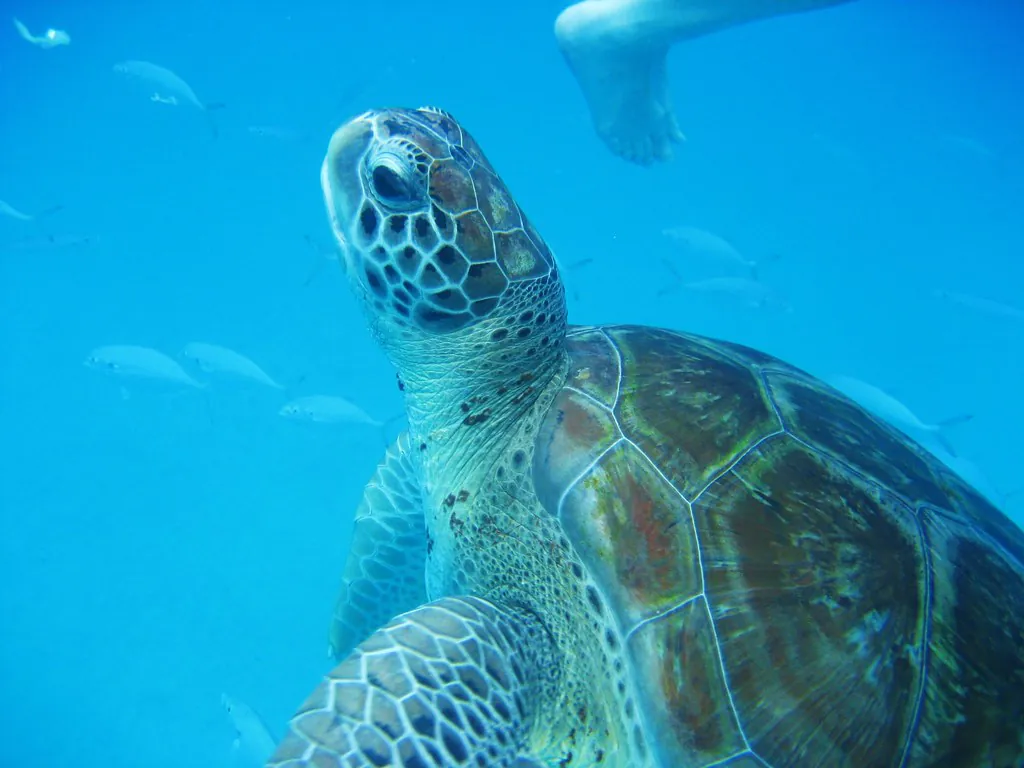
The Barbados Sea Turtle Project strictly enforces a three-foot distance rule to prevent accidental strikes or harassment of the local Hawksbill and Green turtle populations. Sea turtles must surface to breathe; blocking their path to the surface can cause panic and drowning. Additionally, tour operators heavily advocate the use of reef-safe sunscreen. Ensure your SPF is completely free of oxybenzone and octinoxate to protect the coral. If you embark on the Barbados Catamaran Snorkelling Turtle and Shipwrecks tour, the crew will brief you extensively on marine etiquette before anyone enters the water.
What to Pack & What Is Provided
A little preparation prevents discomfort and guarantees a pristine voyage. While catamarans are notably stable, those prone to motion sickness should acquire medication from local pharmacies prior to boarding. You do not need to pack heavy aquatic gear; properly sanitised masks, snorkels, fins, snorkel vests, and pool noodles are universally included in your ticket price. There are no hidden rental fees.
- Polarised Sunglasses: Essential for cutting through the glare of the Caribbean sun and spotting sea turtles from the deck.
- Rash Guards: Provides excellent UV protection while snorkelling without relying heavily on chemical sunscreens.
- Dry Bags: Highly recommended for protecting your smartphone, camera, and travel documents from errant sea spray.
Guests are universally required to adhere to the barefoot rule. Upon boarding, the crew will collect all footwear to protect the fibreglass decks and eliminate slipping hazards. Your shoes will be safely stored in dry bins until disembarkation. Hydration is also treated as a critical safety measure in the tropics; your tour will include unlimited water, soft drinks, and meals to ensure you remain energised throughout the excursion.
Essential Traveller Advice & FAQ
Whether you are booking a bespoke private charter or joining a lively group excursion, understanding the onboard protocols helps you make the most of your day. The crew provides thorough safety briefings before the mooring lines are even slipped, covering everything from life vest deployment to emergency exits. To further assist in your planning, we have compiled the most common queries regarding catamaran readiness and physical requirements.
“Safety does not take a holiday in Barbados. Listen closely to your captain’s briefing—it ensures the famous Bajan rum punch goes down smoothly later!”
Do I need to be a strong swimmer to join a catamaran cruise?
Not at all. You can absolutely enjoy the cruise from the spacious sun decks or the trampoline nets without ever entering the sea. If you wish to snorkel, operators provide flotation belts and life jackets to keep you entirely buoyant. However, you should be generally comfortable in open water. The crew actively monitors all swimmers and will enthusiastically assist non-swimmers using pool noodles or guided life-rings to ensure everyone gets a chance to see the shipwrecks.
Are life jackets mandatory?
Life jackets are required to be onboard for every single passenger per international SOLAS regulations. Wearing them during the sail is usually optional for adults, but strongly recommended or explicitly mandatory for children and weak swimmers while in the water. During specific guided tours and lessons, the captain reserves the right to request all passengers don their life vests if sea conditions change unexpectedly.
What is the best way to prevent motion sickness?
Take over-the-counter motion sickness medication at least 30 to 60 minutes before your departure for it to be fully effective. Once onboard, stay above deck in the fresh air, look constantly at the horizon, and avoid reading or staring at your phone screen. Catamarans are inherently more stable than monohull boats, which significantly reduces the rolling motion that typically induces nausea, but proper preparation is still highly advised.
What equipment is provided by the operators?
All major operators universally include the use of high-quality snorkelling equipment in their ticket prices. This encompasses properly sanitised masks, snorkels, and fins of various sizes tailored to fit you upon boarding. Unless you require a highly specific prescription mask, there is absolutely no need to bring your own aquatic gear, freeing up valuable space in your luggage for souvenirs.
Are there restroom facilities onboard the catamarans?
Yes, commercial catamarans feature impeccably maintained marine heads. These his-and-hers facilities ensure absolute comfort during standard five-hour voyages along the coast. Operators pride themselves on cleanliness, so you will find these facilities stocked with basic toiletries, marine-safe toilet tissue, and fresh water for washing your hands.
What happens to my shoes when I board?
Guests are required to remove all footwear upon boarding to protect the deck surfaces and prevent slipping hazards on the wet fibreglass. Your shoes will be stored safely by the crew in designated dry bins until you disembark at the marina. If you require arch support or have specific podiatric needs, inform the operator well in advance to discuss acceptable soft-soled alternatives.