Sailing Barbados vs. St. Lucia: A Caribbean Comparison
Introduction: The Ultimate Caribbean Sailing Showdown
When planning a Caribbean maritime getaway, travellers frequently find themselves choosing between two premier destinations: Barbados and St. Lucia. Both islands maintain world-class maritime infrastructure, yet their contrasting topographies guarantee fundamentally different experiences on the water. St. Lucia presents sailors with steep, volcanic backdrops, heavily promoted by the Saint Lucia Tourism Authority for their dramatic visual impact. Barbados, conversely, provides a tranquil, flat, coral-limestone haven. The physical realities of these two landmasses dictate everything from wave action and navigational complexity to the specific marine species you will encounter.
For visitors trying to decide where to invest their holiday budget, understanding these environmental mechanics is crucial. Choosing the right island determines whether you spend your afternoon navigating deep ocean swells beneath towering peaks or gliding across perfectly flat, translucent shallows. This definitive comparison breaks down the facts, equipping you to select the best catamaran cruises in Barbados or the ideal eco-adventure in St. Lucia based on your specific sailing preferences.
Geological Foundations: Coral-Limestone vs. Volcanic Peaks
Barbados: The Coral-Limestone Shelf
Unlike most of its volcanic neighbours in the Lesser Antilles, Barbados was formed through tectonic uplift, resulting in a landmass composed almost entirely of coral-limestone. This geological foundation creates shallow, naturally filtered coastal shelves that gradually slope into the sea. The limestone acts as a giant natural water filter. For sailors and snorkellers, this translates directly into crystal-clear waters with exceptional visibility. The island’s landmass forms a natural protective barrier against harsh Atlantic trade winds, ensuring flat conditions along its western shoreline, widely known as the Platinum Coast.
St. Lucia: Volcanic Peaks & Deep Drop-offs
St. Lucia is defined by its mountainous, volcanic topography. Steep cliffs and rugged shorelines characterise the coast, creating a breathtaking backdrop for dramatic coastal cruising. However, this steep volcanic gradient continues straight into the ocean, resulting in sudden deep drop-offs and dark-sand beaches. While visually spectacular from the deck of a yacht, the deeper coastal waters can generate choppier surface conditions than those found in sheltered coral bays. The volcanic sediment also means that underwater visibility is highly dependent on recent rainfall and terrestrial runoff.
Sea Conditions & Water Clarity Comparison
| Feature | Barbados (Platinum Coast) | St. Lucia (West Coast) |
|---|---|---|
| Coastline Topography | Flat coral-limestone shelf | Steep volcanic cliffs |
| Typical Sea State | Calm, glass-like, highly predictable | Deeper waters, prone to sudden swells |
| Snorkelling Visibility | Consistently High (filtered by coral) | Variable (depends on depth and runoff) |
| Ideal For | Families, casual sailors, beginner snorkellers | Experienced sailors, dramatic scenery lovers |
Snorkelling the Sights: Shallow Shipwrecks vs. Deep Reef Walls
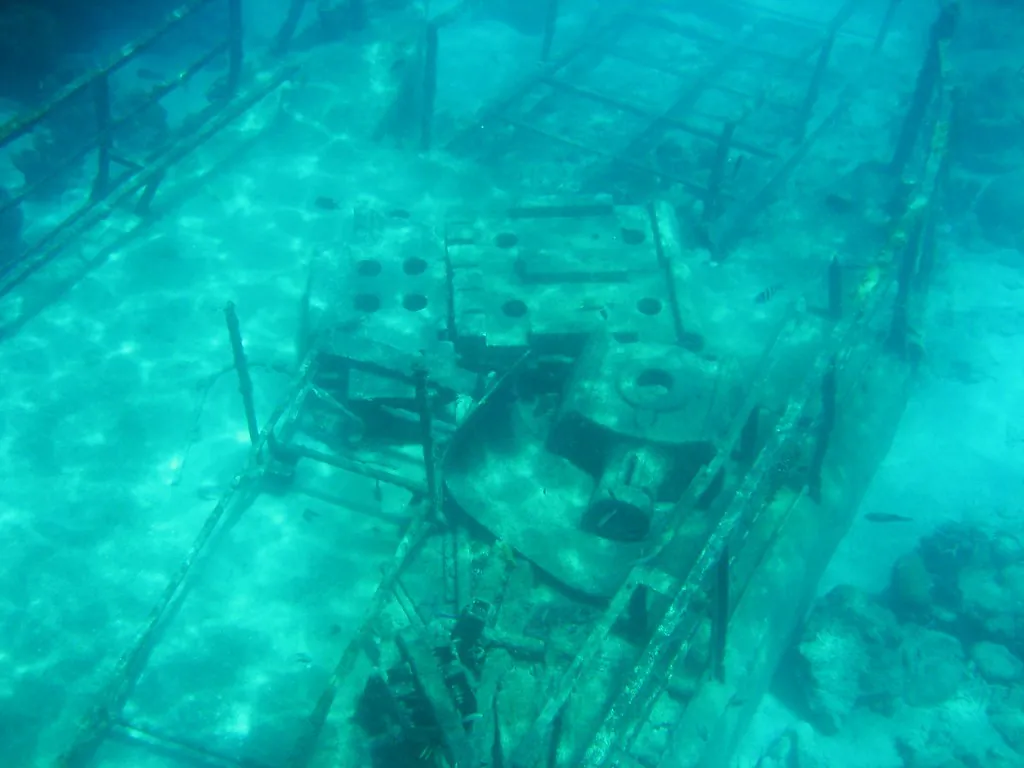
The underwater topography dictates the snorkelling experience. In Barbados, the shallow coral shelf makes it incredibly easy to explore historic maritime disasters. The highly regulated Carlisle Bay Marine Park, positioned just outside the UNESCO World Heritage site of Historic Bridgetown, features six distinct shipwrecks resting in just 10 to 50 feet of water. These wrecks, including the popular Berwyn, are accessible to all swimming levels. Visitors can learn exactly how to approach these artificial reefs by reading our comprehensive shipwreck snorkelling guide.
Conversely, St. Lucia’s snorkelling focuses on dramatic deep reef walls and sheer volcanic underwater formations. The Soufrière Marine Management Association (SMMA) oversees plunging coastal reefs located at the base of the iconic Pitons. While these environments offer a spectacular underwater landscape with dramatic drop-offs that draw scuba enthusiasts, snorkelling here is actually very accessible. Calm, sheltered areas like the house reef at Sugar Beach offer shallow, beginner-friendly coral gardens right off the shore before the walls plunge into the deep blue.
Marine Life Encounters: The Hawksbill Haven
While St. Lucia offers the thrill of deep-sea pelagics along sheer volcanic walls, Barbados provides an unmatched, highly reliable encounter with coastal sea turtles in perfectly calm, waist-deep shallows.
When measuring reliable marine life encounters, Barbados holds a distinct statistical advantage. The island is a globally recognised foraging ground for critically endangered Hawksbill and least-concern Green sea turtles. Because of the shallow, clear waters and abundant sea grass beds on the West Coast, high-density encounters are nearly guaranteed on almost every commercial voyage. If you secure a spot on a Barbados catamaran snorkelling turtle and shipwrecks tour, you will swim alongside these heavily protected creatures in exceptionally controlled conditions. We detail the exact coordinates where these populations thrive in our breakdown of the best spots for catamaran cruises.
In contrast, St. Lucia’s deeper coastal waters support diverse pelagic fish and vast barrel sponges clinging to the volcanic walls. While sea turtles are certainly present, sightings are opportunistic rather than guaranteed. The depth of the water means wildlife often remains far below the surface, requiring snorkellers to observe from a considerable distance.
The Views from the Deck: White Sand Beaches vs. The Majestic Pitons
The visual aesthetics from the deck of your vessel differ drastically between the two nations. Sailing in Barbados involves cruising past ultra-luxury Bajan resorts, manicured golf courses, and long stretches of pristine white sand. The coastline is highly developed but exceptionally elegant, offering glimpses of exclusive properties like Sandy Lane. The landscape is gentle and soothing.
St. Lucia delivers raw, imposing grandeur. The primary sailing route takes vessels south from Rodney Bay down to Soufrière, culminating in the shadow of the Gros Piton and Petit Piton. Sailing directly beneath these towering, forest-covered spires is an undeniably powerful visual experience. It appeals directly to landscape photographers and those seeking a rugged, cinematic backdrop to their holiday.
The Sailing “Vibe”: Bajan Luxury vs. Eco-Adventure
The operational culture of maritime tourism reflects each island’s identity. Barbados possesses a highly evolved, globally recognised marine tourism sector. The industry is bifurcated into ultra-luxury experiences that mimic a private yacht club atmosphere, and high-energy celebratory party cruises featuring local soca music. The focus in Barbados is firmly placed on hospitality, premium food and beverage service, and effortless relaxation. St. Lucia’s excursions lean heavily into eco-tourism. Their itineraries often integrate land-based activities, such as docking to visit mud baths or botanical gardens, making the sailing component just one part of a broader sightseeing mission.
Vessel Types & Capacities: The Barbados Standard
A distinct phenomenon within the Barbadian sailing industry is the voluntary capping of passenger numbers. Operators recognise that premium pricing demands an uncrowded deck. It is entirely standard to find an operator limiting a massive 62-foot catamaran to just 12 or 16 passengers. This ensures every guest has access to shaded seating, unrestricted access to the bar, and personalised attention from the crew in the water. Booking a 5-hour small-group catamaran cruise from Bridgetown guarantees this low-density comfort. For a deeper understanding of capacity limits, read our analysis on private charters vs. group excursions.
In St. Lucia, while luxury charters exist, the standard commercial catamarans are often large-capacity vessels designed to move dozens of tourists from the northern resorts down to the southern attractions. The deck space per passenger is typically lower unless you specifically charter a private yacht.
Weather, Wind, and Seasonality
Geographic positioning plays a critical role in maritime safety and comfort. Barbados sits uniquely to the east of the primary Lesser Antilles chain, placing it outside the main Atlantic hurricane belt. According to historical data from the Barbados Meteorological Services, the island benefits from highly reliable, moderate trade winds year-round. This geographical anomaly allows for consistent, safe sailing conditions even during the traditional Caribbean shoulder seasons. We explore these meteorological advantages extensively in our guide to the best time and weather to go sailing.
St. Lucia’s lush, mountainous terrain creates complex microclimates. The towering peaks generate wind funnels along the coast, resulting in sudden gusts followed by dead calms. While this provides thrilling, active sailing for experienced yachtsmen, it can cause unpredictable movement for prone passengers. Furthermore, St. Lucia’s location within the hurricane belt means operators face stricter seasonal limitations between August and October.
Accessibility and Marina Logistics
Boarding your vessel in Barbados is an exercise in efficiency. The vast majority of operations depart from the Shallow Draught facility in Bridgetown. Because the island is relatively small and flat, road transfers from major West Coast or South Coast hotels take less than twenty minutes. Almost all premium operators include complimentary, air-conditioned return transfers in their ticket price. Upon returning to port, you are perfectly positioned to explore other things to do in Barbados, such as visiting the nearby Mount Gay Rum Distillery.
St. Lucia’s geography complicates logistics. The primary marina is located in Rodney Bay in the extreme north, while the main attractions (the Pitons and SMMA reefs) are in the south. This necessitates a much longer sailing transit time to reach the destination. If your hotel is in the south, you may have to endure a lengthy, winding drive through mountainous terrain simply to reach the departure marina.
Culinary Experiences Onboard
The culinary offerings on these excursions reflect their respective national identities. A standard Barbados lunch cruise features a robust, traditional Bajan buffet. Passengers can expect baked flying fish, rich macaroni pie, seasoned chicken, and fresh salads, all prepared by onboard chefs or local catering partners. The open bar is a point of national pride, heavily featuring unlimited pours of premium local rum punch. The emphasis is on abundant, high-quality local comfort food.
St. Lucia operators typically serve Creole-inspired lunches, often featuring heavily spiced stews, ground provisions, and local Piton beer. Because many St. Lucian tours dock for lunch at land-based restaurants in Soufrière, the onboard catering is sometimes limited to light snacks and beverages during the actual transit.
Comparing Excursion Options: Half-Day vs. Sunset
Both islands offer a variety of itineraries, but the execution differs. The industry standard in Barbados is the five-hour midday lunch cruise, which maximises time in the water for snorkelling. However, evening sails are increasingly popular. Booking a Barbados sunset and snorkelling catamaran cruise provides a cooler, highly romantic atmosphere, trading the midday heat for spectacular photography lighting. The calm western waters make dining on deck at twilight a perfectly stable experience. We document this specific itinerary in our post covering the magic of a Bajan sunset.
St. Lucia also offers spectacular sunset cruises, which typically sail along the western coastline to catch the sunset and the famous “green flash.” Rather than returning to port before dark, these excursions fully embrace the evening, usually returning after the sun has set. While daytime sightseeing is a major draw for exploring the island’s sheer cliffs and the Pitons, the dramatic coastal scenery provides an equally stunning backdrop for twilight sails.
Cost and Value Comparison
Pricing structures reveal the differing target demographics. A premium, all-inclusive, low-capacity cruise in Barbados typically ranges from $100 to $165 USD per person. For example, a ticket for a luxury evening voyage by Oceanluxx sits squarely in this bracket, offering unlimited premium beverages, gourmet tapas, and expert in-water guides. The value proposition relies on the high staff-to-guest ratio and the impeccable condition of the vessels.
Standard tours in St. Lucia generally cost slightly less, often ranging from $80 to $120 USD. However, this lower price point frequently correlates with much larger passenger headcounts and less comprehensive food and beverage packages. When calculating value, travellers must weigh the importance of onboard space and service against the raw scenery of the destination.
Which Destination is Right for You?
- Choose Barbados if: You are travelling with young children, you are a nervous swimmer, or you prioritise luxury, uncrowded decks, and guaranteed sea turtle encounters. The predictable, flat sea state removes the anxiety of motion sickness, and the shallow wrecks provide effortless exploration.
- Choose St. Lucia if: You are an experienced sailor, an advanced free-diver, or a landscape photographer seeking dramatic, mountainous terrain. The sheer scale of the Pitons and the deep blue drop-offs offer a raw, adventurous edge that cannot be replicated on a flat coral island.
Conclusion: Setting Sail
Ultimately, the choice between Barbados and St. Lucia depends entirely on what you want out of your day on the Caribbean Sea. St. Lucia commands attention with its imposing volcanic geography and deep-water mysteries. Yet, for those seeking the quintessential, relaxing tropical sail—characterised by flawless white sands, waist-deep crystal waters, and unrivalled Bajan hospitality—Barbados stands as the superior choice. The island’s geological advantages create an environment perfectly engineered for leisure. Before you book, ensure you review our equipment and safety guidelines to prepare for your specific itinerary. Whether you choose a high-end luxury charter or a family-friendly turtle excursion, the calm waters of the Platinum Coast await.